
AI consulting for critical operations
Your next technology decision comes with no rehearsal.
For companies where failure is expensive. When the shift has already reached you and the stakes are real, here you decide what to do, it gets built and it is kept running in production. The problem has no precedent. The method does.
Fixed price. Written acceptance criteria. If it does not meet them, you do not pay the balance of the engagement.
How the firm works
Three services that are one cycle.
Almost no engagement ends where it started. First you have to decide what to do about a move that is already touching you; then it has to be built; and one day something breaks. Vanguard, Forge and Taskforce are those three moments and they are the same people in all three.
Vanguard
Guide“I want to move forward”A shift is reaching you and you have to decide what to do about it before committing budget. What comes out is a criterion you can defend the decision with, not a presentation.
19 concrete situations→ 02Forge
Build“I want to implement”What you decided has to be made real. It gets built and handed over working, with no future dependency on us, fully owned and controlled by you. In production, not in a sandbox.
14 concrete situations→ 03Taskforce
Sustain“I want to stabilize”Something critical is at risk or has just failed. It gets diagnosed, the operation gets recovered and your team is left ready for the next time, with someone who has already run those recoveries.
9 concrete situations→You do not explain your operation from scratch every time: whoever decided with you is the one who builds it and the one who answers the phone the day something fails. See the full cycle.
What you can hire
Four ways to start working together.
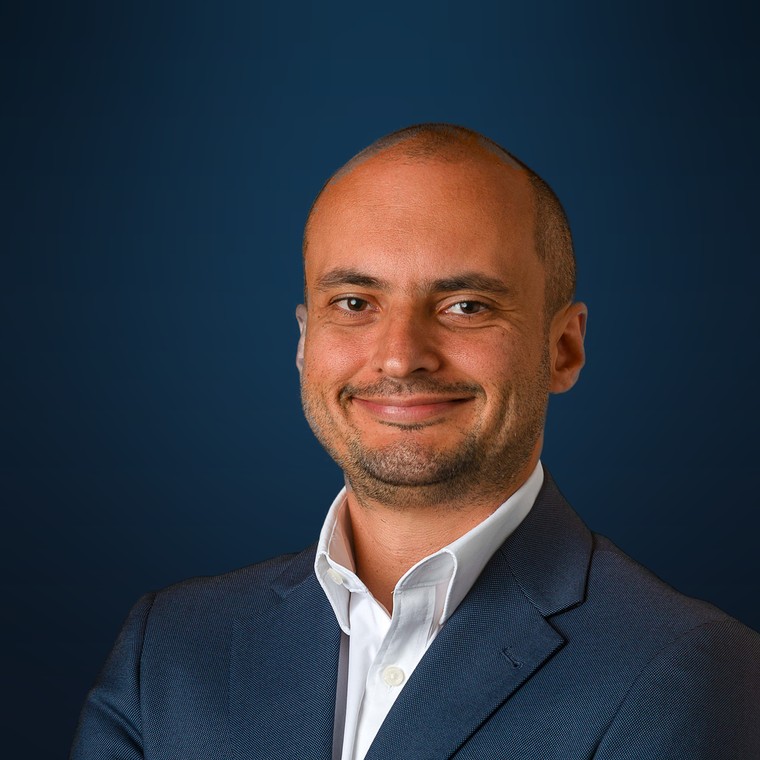
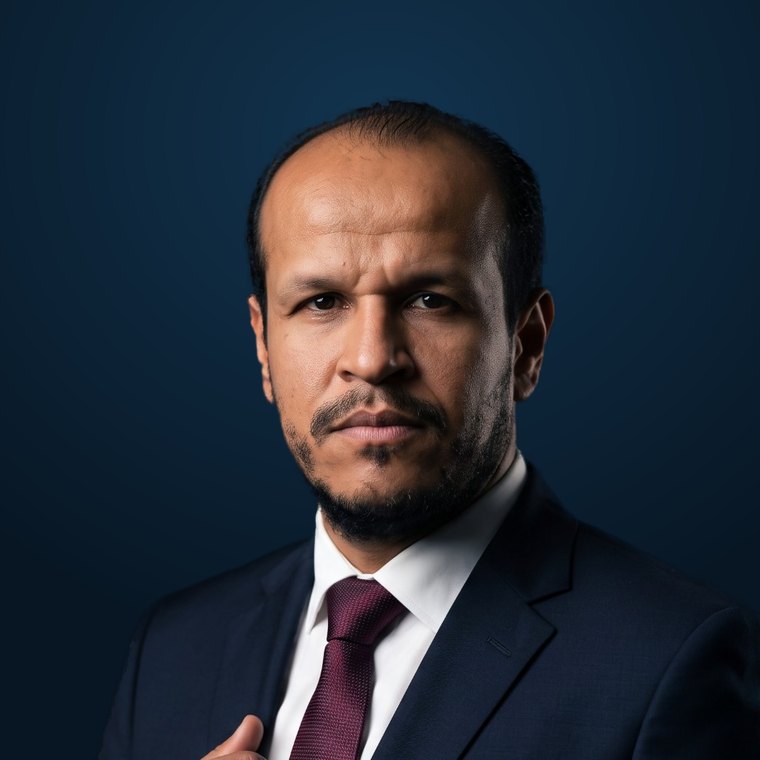

 Who delivers itFour people who have already run what cannot fail, in the Americas and in Asia. The founder leads and signs every engagement. Meet the team
The proof: what the team has already done
None of these results came with a manual.
In production, not in a pilot. And before the firm existed: these are results of the four people who are Neural Brink today. The separation of production operations in one of the largest bank divestitures in Latin America, with 100% of the systems in its charge cut over on the legal day, zero failures and zero regulatory findings. Two HP products taken to the Gartner Magic Quadrant: Service Manager and Propel. A global command center moved from Singapore to the United States and India with nobody working nights. And the carrier payments portal at TriumphPay, led end to end.
What gets bought in 2026
Four things. All four have a name here.
What people search for is “AI”. What gets bought is a return on what was already bought, being able to prove control, containing the cost and holding up on the bad day. Each one with its figure and with the services that solve it.
Getting a return on what was already bought
Proving control
Containing the cost
- We were told to bring the budget down and every owner defends their application.
- We pay for a hundred features and use six.
- Upstairs they want to bring it in-house and I am the one who will have to operate whatever they decide.
- The areas built their applications with AI and the person who made them left in March.
Holding up on the bad day
Each figure carries its source and sample size; the month by month is in the Report. All 44 services can be browsed by discipline, by the question you arrive with or by name.
The position
Whoever builds it does not validate it.
Every implementation a large firm does is an implementation that same firm cannot audit. And it is not a gap that closes on its own: the more a large firm implements, the less it can audit.
The firm that implemented it
It bills for the build. It takes a commission from the vendor it chose. And it signs the report saying it works.
the same one
The firm that validates it
It does not resell technology. It takes no commission from anyone. It will not build what it has just judged.
The verdict is read knowing nothing sits behind it: no license to sell, no commission to charge a vendor, no quote waiting at the end of the report. The only thing the firm gains from the answer is that you decide well.
The Neural Brink Report · edition 04, November 2026
Your software bill no longer depends on how many people you have. It depends on how much the machine works.
And no organization we have looked at has an owner for that meter. Here is what to ask for in writing before the January renewal. This month, three things left without an owner in your company and the question to start with on Monday.
Who shuts the agent down at two in the morning
If you have to stop an agent at two in the morning, who shuts it down, with what tool, and who signed off that it was tested?Who maintains the agent the vendor built and left
Of the agents running in your operation today, how many does someone on your payroll understand?Who answers when your agent is cut off
If your agent is cut off tomorrow, what process stops, and what replaces it?It reads in full and without leaving your email. Every figure carries a primary source, a date and a sample size. What does not have one does not go in. That way you can judge whether the conversation is worth having before you book it.
The guarantee
If after the correction it still does not meet the criteria, you do not pay the balance of the engagement.
Deliverable, acceptance criteria and fixed price in writing before starting. On work without precedent it is guaranteed by phase: the destination is not promised, each leg is, and at each milestone you decide whether to continue.
All three at once: fixed price, written acceptance criteria and a balance that goes uncharged if they are not met. On their own, each one can be promised without risking anything.
What is the decision you have in front of you this week?